29Sep16 | Natural Glitch
29Sep16 | Natural Glitch
29Sep16 | Natural Glitch
29Sep16 | Natural Glitch
29Sep16 | Natural Glitch
29Sep16 | Natural Glitch
29Sep16 | Natural Glitch
29Sep16 | Natural Glitch
29Sep16 | Natural Glitch
29Sep16 | Natural Glitch
29Sep16 | Natural Glitch
29Sep16 | Natural Glitch
30May16 | Self Portrait
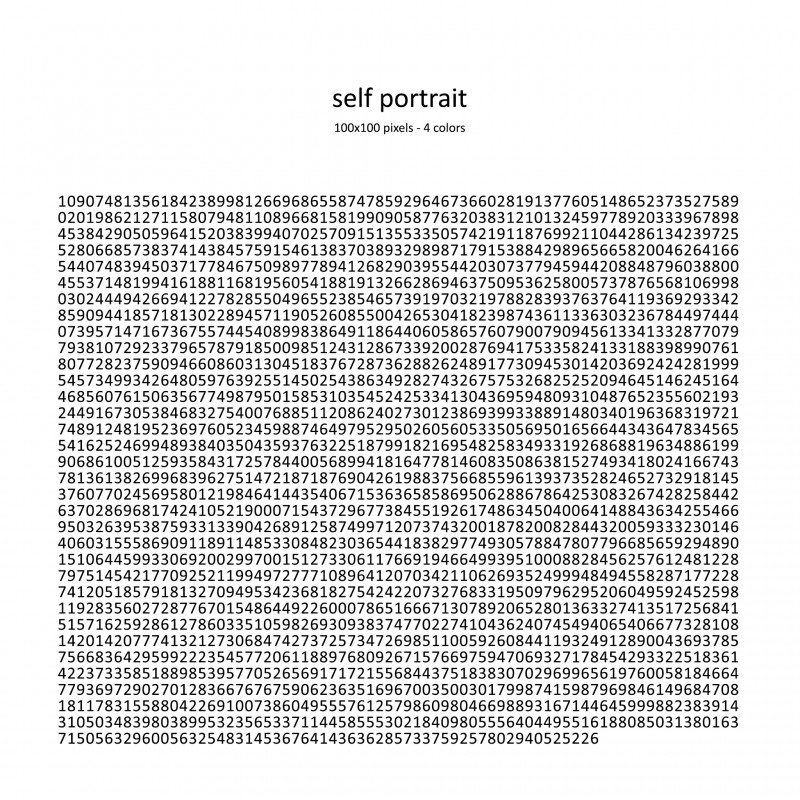
A single number that represents the sequential iteration of color variations, that make up a portrait in the given digital canvas.
A fundamental artifact of any digital imaging device is that it samples an infinite reality and encodes it within a finite data-set. A digital image is stored as a series of color values, one value per pixel for monochromatic images and three for colored ones. Inevitably, the clarity of the image is limited by the size of its data. The experimental software FIG exploits the finite nature of such data-set and attempts to iterate through all the possible color combinations a digital canvas can hold. Since any image can be digitized, we can also assume that any and every representation can be found in one of these possible color combinations. FIG guarantees that with enough time, it will eventually generate every possible image.
Disclaimer – At the present time this only works in a theoretical level, due to the vast amount of possible color combinations a typical digital image can hold. As the image gets bigger, the possibilities increase at an exponential rate (Color combinations = colorDepth ^ pixels). For reference, even when iterating 60 times per second, it would require a little less than 10 billion years (or almost the age of the known universe) to go through all the posible images of an 8×8 pixels image with just 2 colors. For example this smiley icon  is iteration number 18429783006733130751 and it would take ~9.74 billion years to be seen.
As the processing power of computers keeps increasing, we may eventually be able to brute force the generation of all images and filter the meaningful ones out of the chaos. In a potential future version of this software, the output images can be passed into an image recognition algorithm which would identify, aggregate and categorize human recognizable results and allow us to see everything that can be seen.
Could this ever challenge human creativity?
Who would own the intellectual property of all the pictures?
For more information and to use the Finite Image Generator, please visit fig.ch3.gr
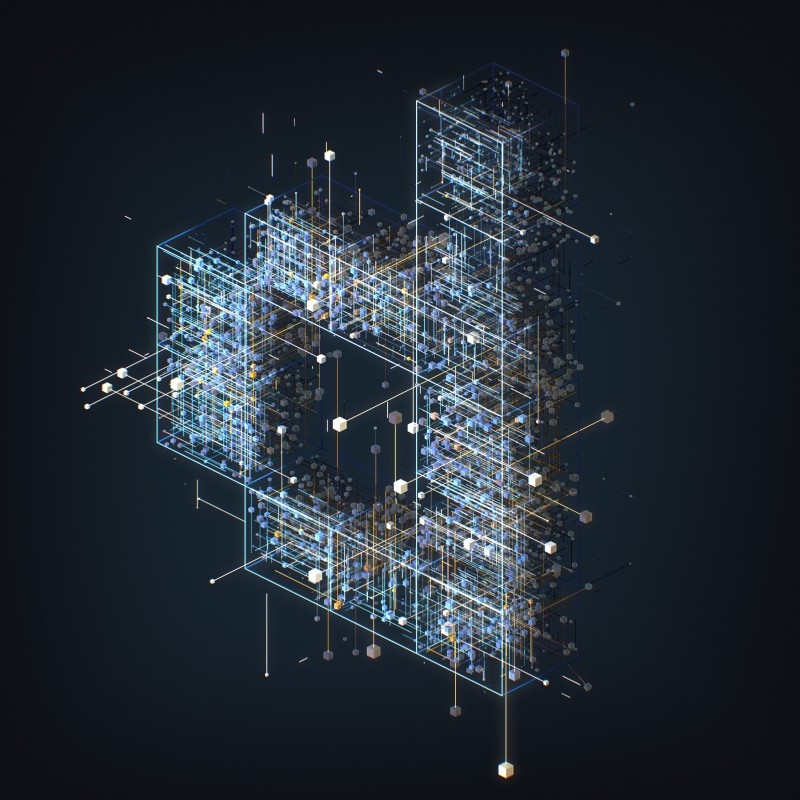
An ident for the digital design conference digitized. A high resolution still from the title sequence.
26Sep15 | digitized
Ident for digital design conference.
This series of images is the second iteration of an experiment in digital reconstruction of portrait photography. It is an attempt to create a hybrid between hand drawn and procedurally generated image.
A custom software was implemented in processing, which provides the user with a set of digital brushes. Influenced by the LOGO programming language, each brushstroke spawns agents that move within the blank canvas, to create an image with the trails they leave behind. Each brush is a set of different instructions for the agents to follow. These instructions reference the color of an input image to determine the trajectory, behavior but also the color of their trails. The user’s only creative decision is where and how to apply the brushstrokes within the image. Using a tablet, the speed, tilt and the pressure of the pen change various characteristics of the tool, creating expressive brushstrokes.
Along with painting the images, the implementation of the tool played an equal role to the whole creative process. Both stages required experimentation to define the aesthetic of the final images.
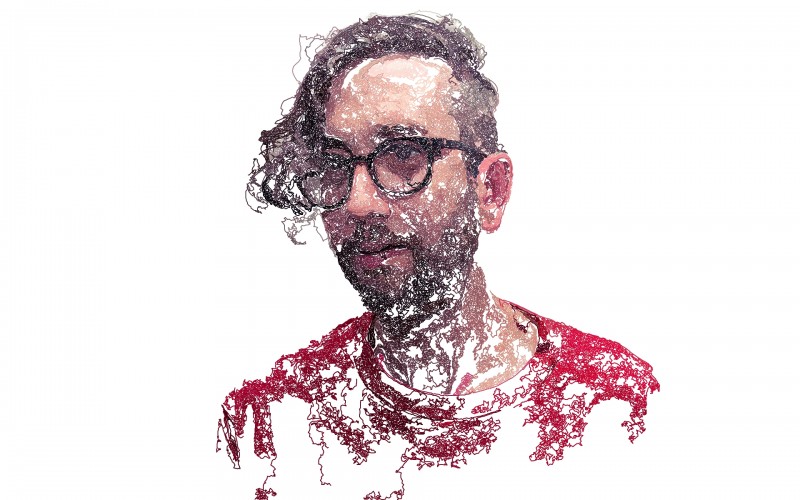
29Dec14 | Adam
Digitally created images based on photograph using custom made brushes in Processing.
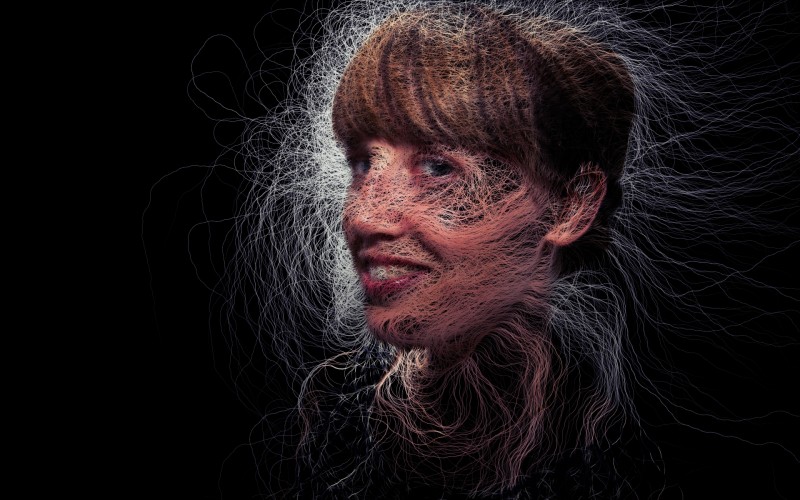
29Dec14 | Jen
Digitally created images based on photograph using custom made brushes in Processing.
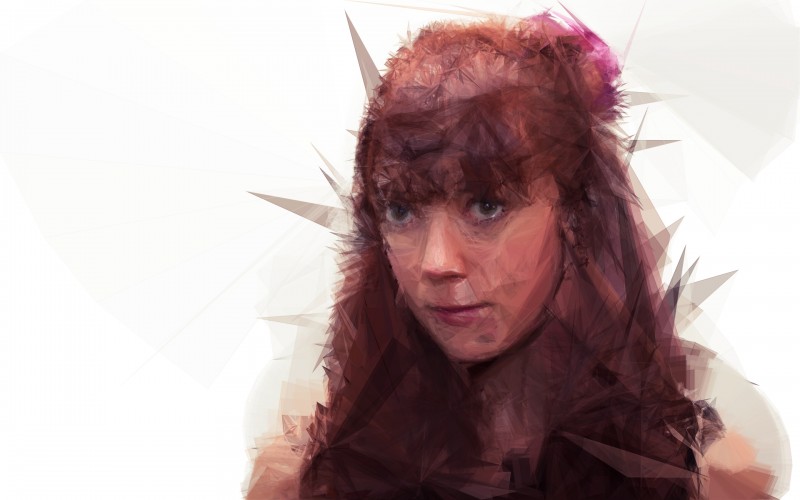
29Dec14 | Katey
Digitally created images based on photograph using custom made brushes in Processing.
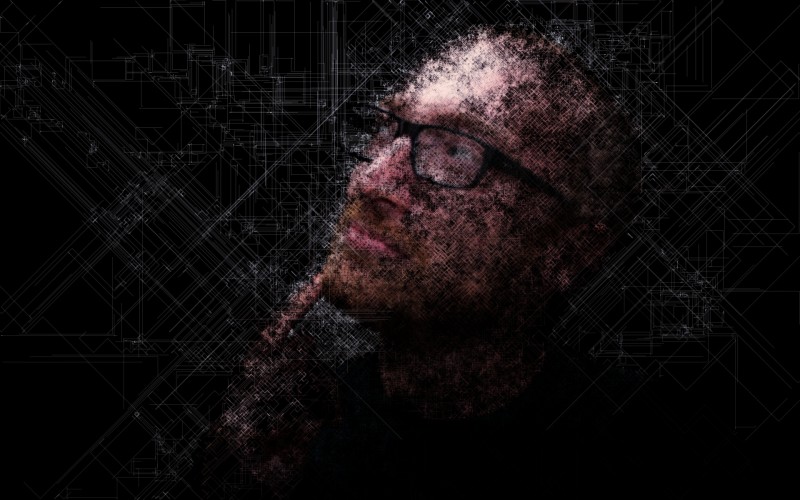
29Dec14 | Mark
Digitally created images based on photograph using custom made brushes in Processing.
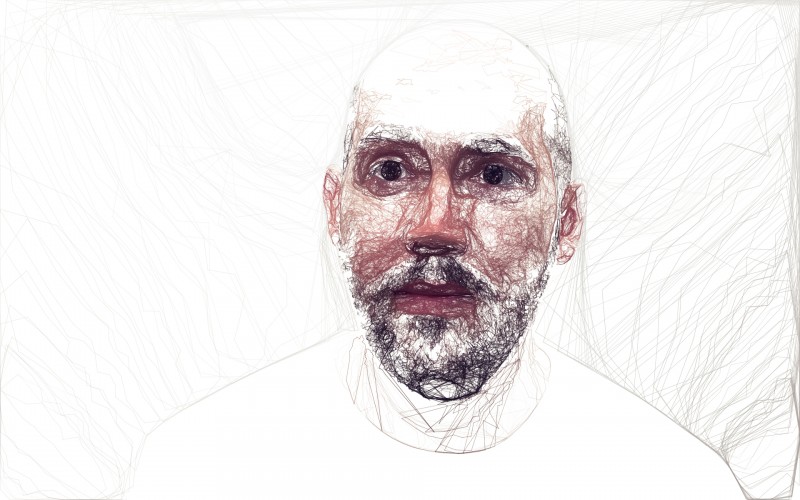
29Dec14 | Jason
Digitally created images based on photograph using custom made brushes in Processing.
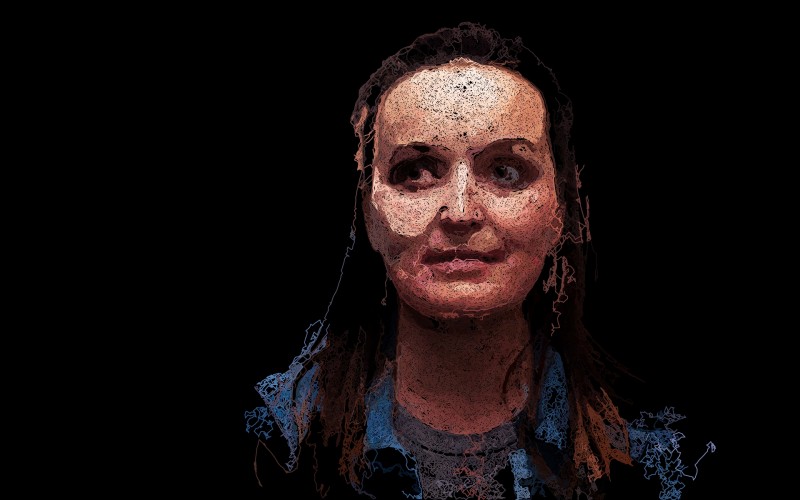
29Dec14 | JennyJo
Digitally created images based on photograph using custom made brushes in Processing.
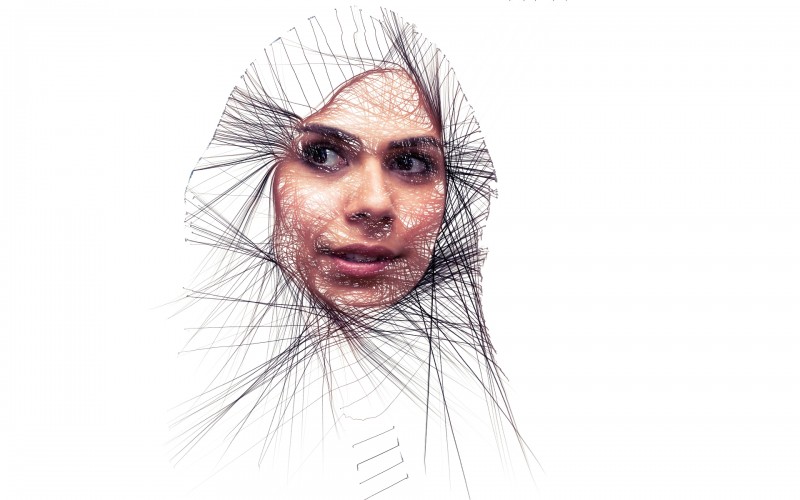
29Dec14 | Anahita
Digitally created images based on photograph using custom made brushes in Processing.
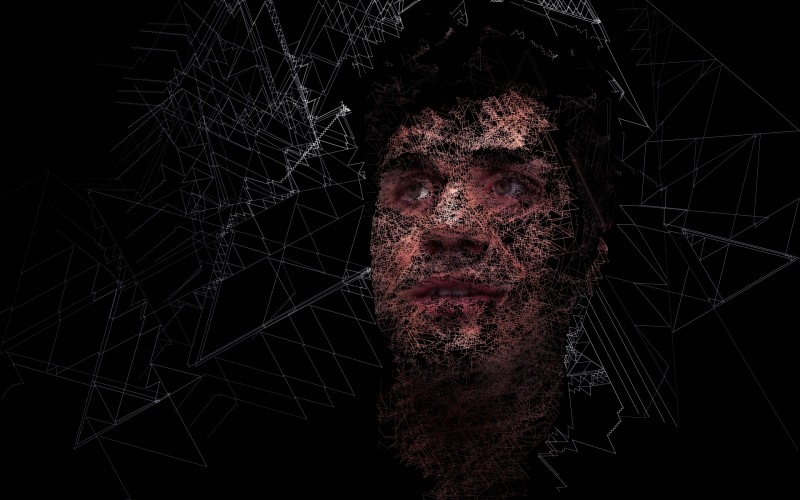
29Dec14 | Andrew
Digitally created images based on photograph using custom made brushes in Processing.
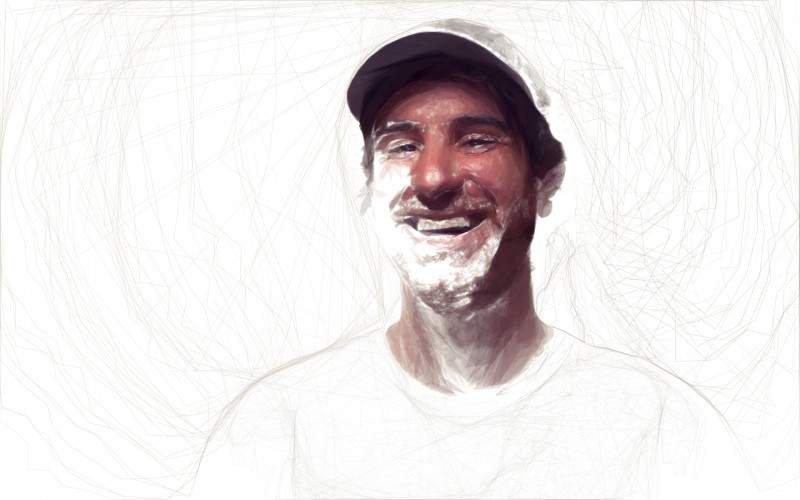
29Dec14 | Chris
Digitally created images based on photograph using custom made brushes in Processing.
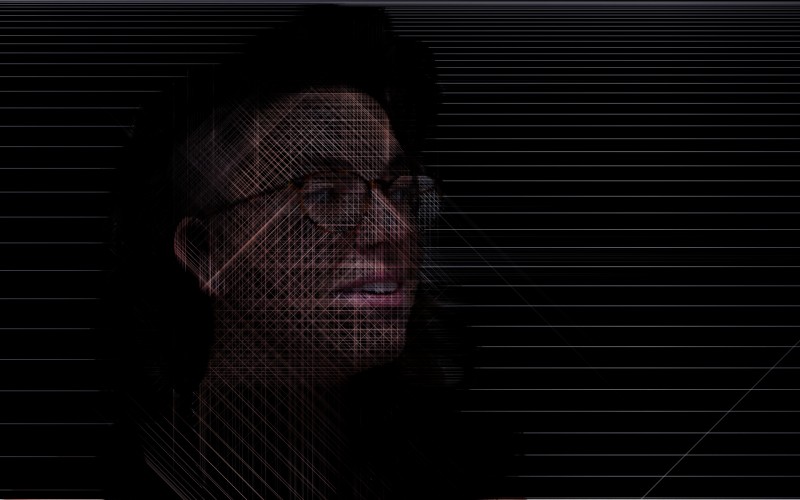
29Dec14 | Phoebe
Digitally created images based on photograph using custom made brushes in Processing.
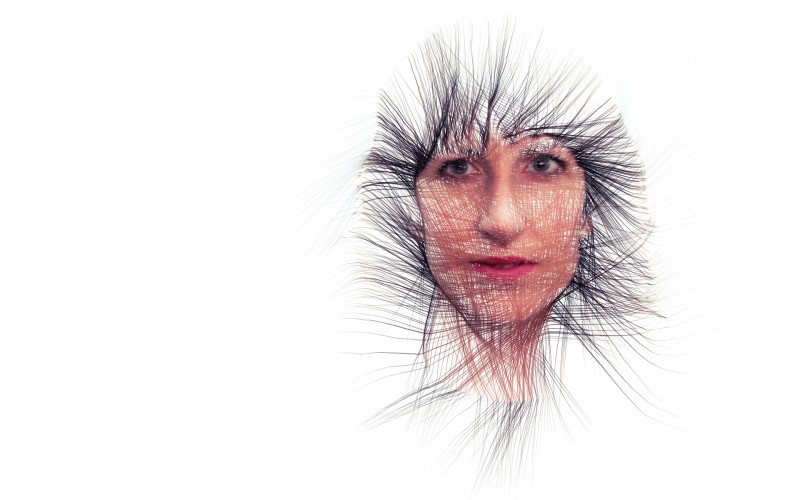
29Dec14 | Alexandra
Digitally created images based on photograph using custom made brushes in Processing.
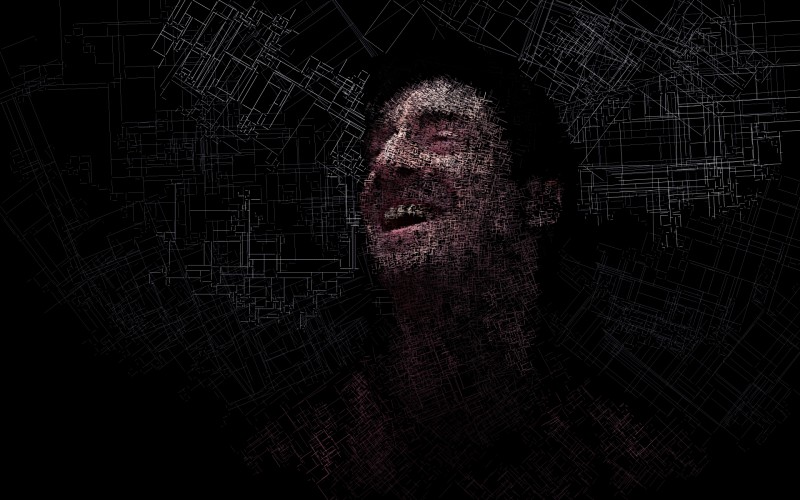
29Dec14 | Ollie
Digitally created images based on photograph using custom made brushes in Processing.
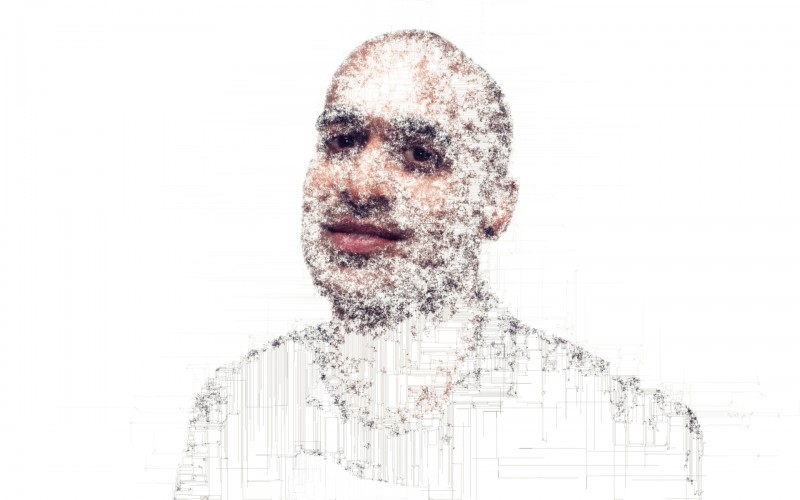
29Dec14 | Kunal
Digitally created images based on photograph using custom made brushes in Processing.
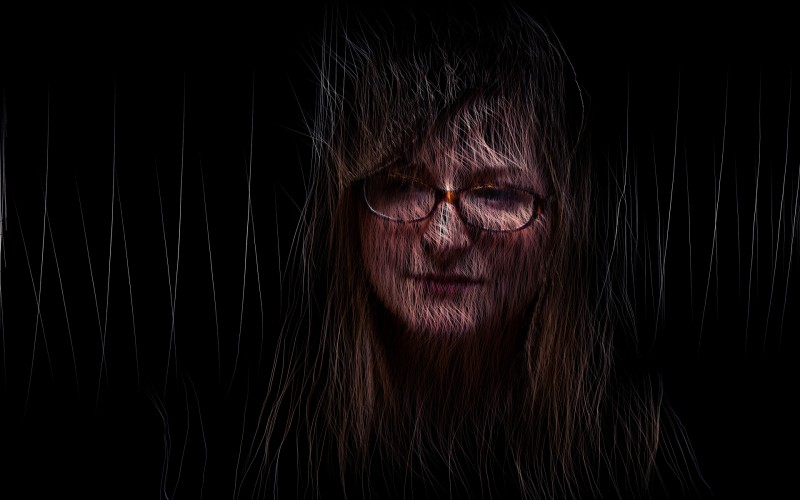
29Dec14 | Sara
Digitally created images based on photograph using custom made brushes in Processing.
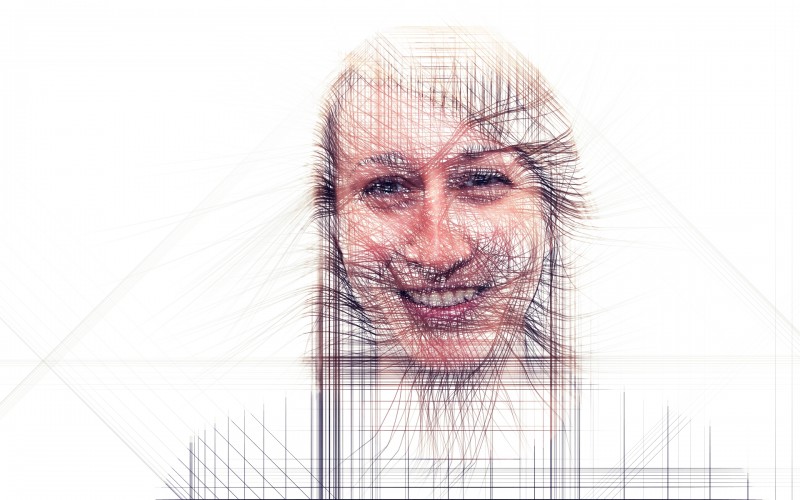
29Dec14 | Suzzana
Digitally created images based on photograph using custom made brushes in Processing.
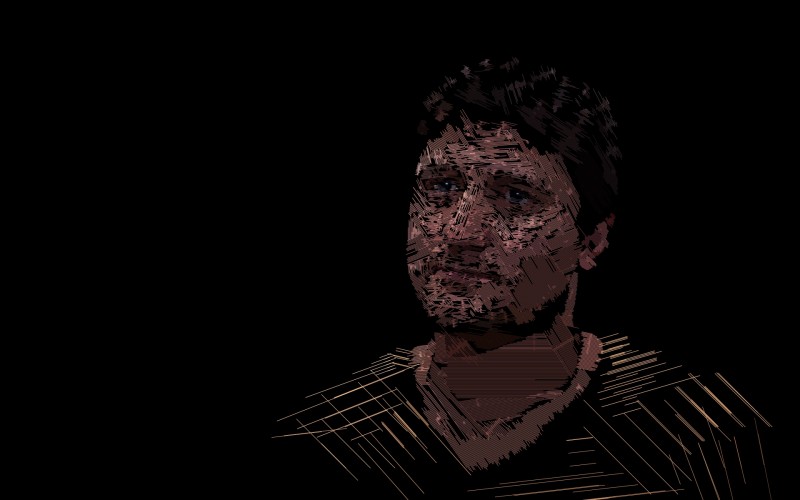
29Dec14 | Joe
Digitally created images based on photograph using custom made brushes in Processing.
A demonstration of the software in operation.

10Jan15 | digitalbrushesv2
demonstration gif

10Jan15 | digitalbrushesv2
demonstration gif
Detail
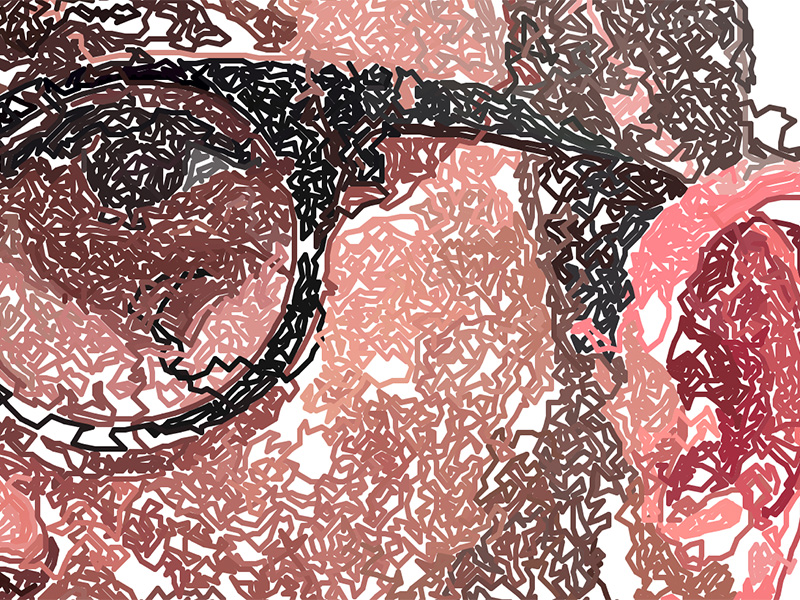
30Dec14 | detail_adam
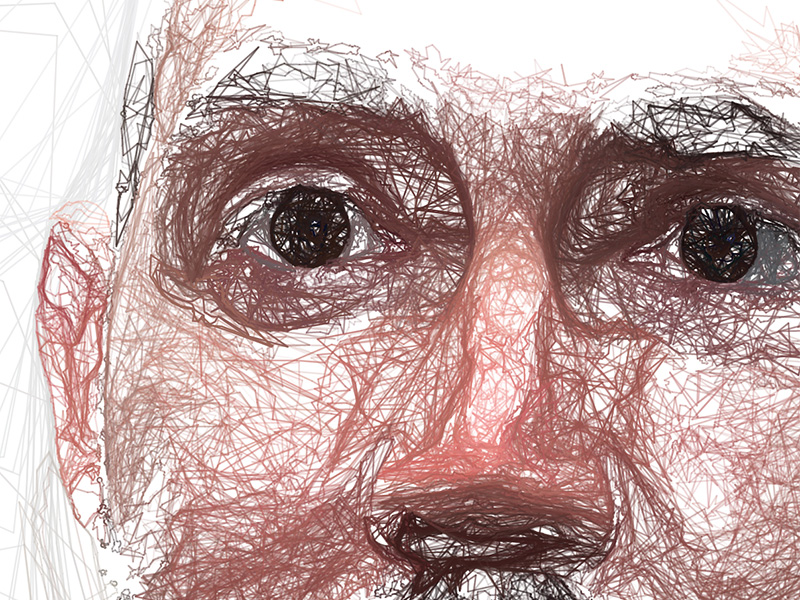
30Dec14 | detail_jason
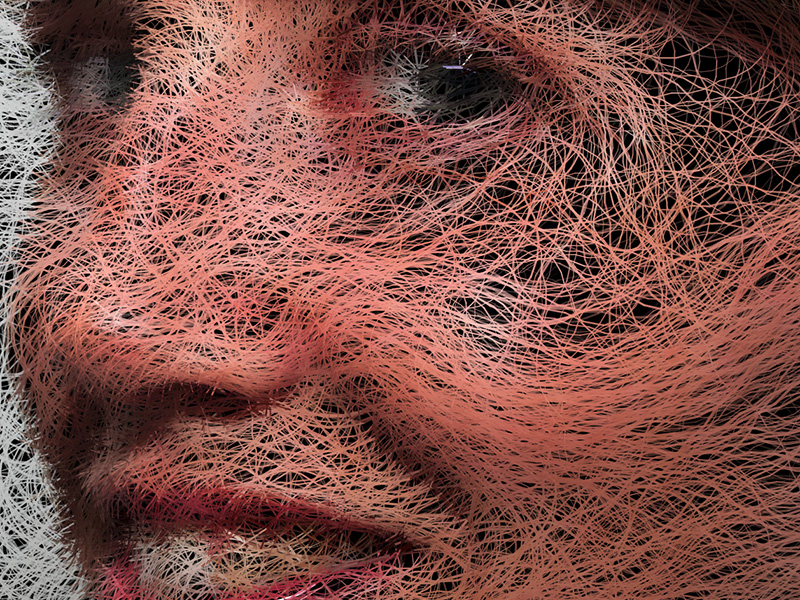
30Dec14 | detail_jen
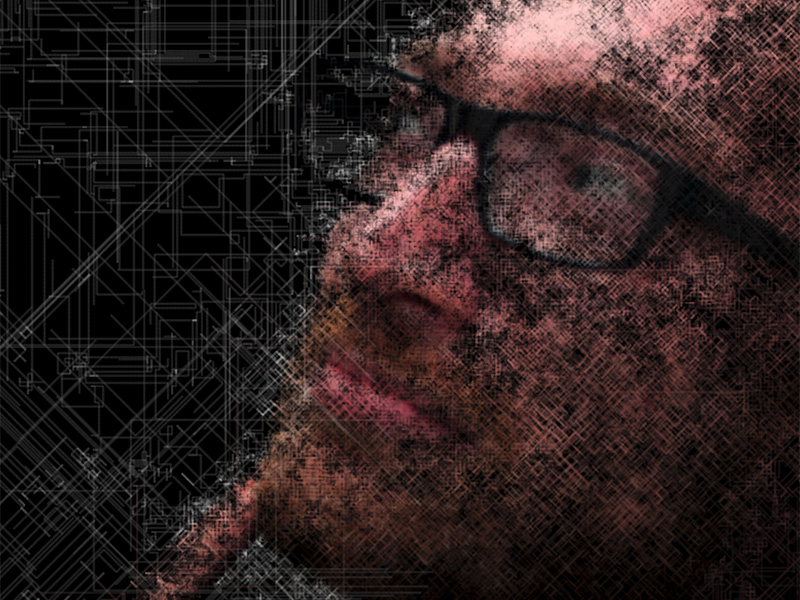
30Dec14 | detail_mark
Series of images using with the first version of the tool.

26Feb14 | Spokesman
is coming soon on your local channel
01100101